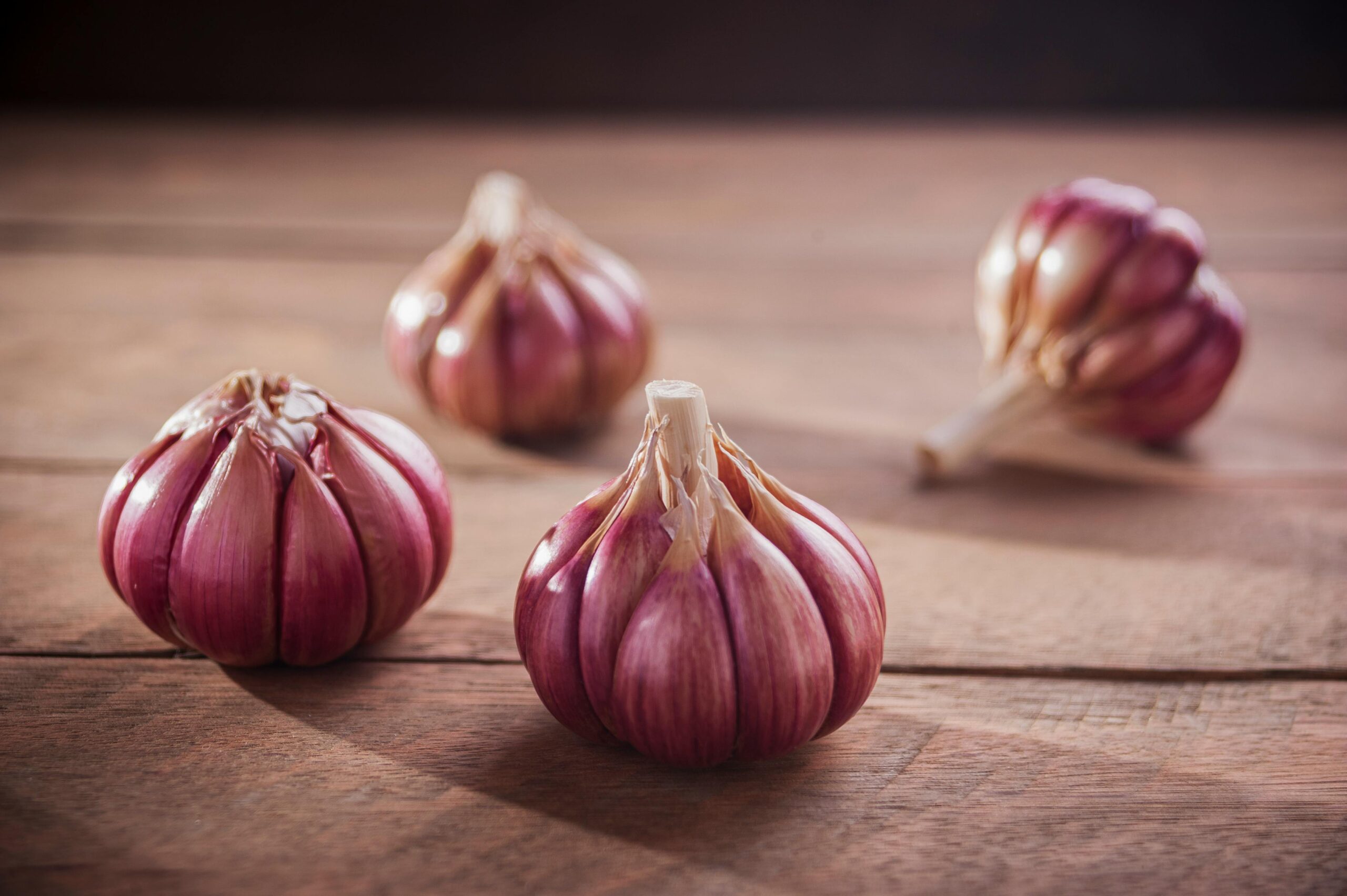
Garlic Power: Natural Kitchen Cleaner
Garlic Power: Natural Kitchen Cleaner
Looking for a punchy, natural way to refresh cutting boards and neutralize lingering kitchen odors? Garlic and coarse salt can be a surprisingly effective combination for everyday cleaning tasks in the kitchen. Below you’ll find practical, non-medical household tips and clear step-by-step instructions for using garlic and salt to lift stains, scrub boards, and refresh surfaces. This is meant as household cleaning guidance, not medical advice.
Why garlic and salt?
Garlic’s natural juices, when combined with abrasive coarse salt, help break up grime and surface stains while lifting odors. The salt acts as a scrub to remove particles and discoloration, and garlic adds a fresh, sharp scent that can help neutralize less stubborn smells. This combination works well on wooden and plastic cutting boards for routine maintenance.
Step-by-step: Cleaning a cutting board
- Start by removing food debris. Scrape the board with a bench scraper or spatula and rinse with warm water.
- Sprinkle a generous layer of coarse salt (kosher or sea salt) over the stained area — roughly 1–2 tablespoons for a medium board.
- Cut a fresh garlic clove in half. Holding the cut side down, rub the garlic over the salted area using a circular scrubbing motion. Apply gentle pressure to let the salt and garlic juices do the work.
- Continue scrubbing for 30–60 seconds on problem spots. For wide coverage, work across the board in sections.
- Let the salt and garlic sit for a few minutes if the stain or odor is persistent, then scrub again and rinse with warm water.
- Dry the board thoroughly with a clean cloth or stand upright to air-dry. For wooden boards, follow up with a light coat of food-safe mineral oil once completely dry to maintain the wood.
Tips and variations
- For plastic cutting boards: you can use the same method, then run the board through the dishwasher (if dishwasher safe) for deeper cleaning.
- For very stubborn stains, sprinkle baking soda over the board before adding salt for extra abrasion, then scrub with garlic as described.
- If you prefer a non-garlic scent finish, rub the board with a lemon half after the garlic/salt treatment, then rinse and dry.
- Always test a small inconspicuous area first, especially on older or highly oiled wooden boards.
When not to use garlic and salt
Do not rely on this method as a sanitizer after raw meat, poultry, or seafood contact. For sanitizing, use appropriate methods such as a hot dishwasher cycle, a dilute bleach solution following package instructions, or other recommended sanitizers for food contact surfaces. These garlic-and-salt tips are for routine cleaning and odor control, not for disinfecting against pathogens.
Quick maintenance schedule
– Daily: Rinse and dry cutting boards after each use. For quick odor removal, wipe with a lemon or vinegar solution.
– Weekly: Use the garlic-and-salt scrub on boards that show light staining or carry lingering kitchen smells.
– Monthly: Oil wooden boards with mineral oil to prevent drying and cracking.
Wrapping up
Garlic and salt make a low-cost, easy-to-use household trick for keeping cutting boards fresh and minimizing surface stains. These steps are practical, kitchen-friendly, and pair well with other natural cleaners like lemon and baking soda. Remember: this is a routine cleaning tip and not medical advice — for heavy contamination or sanitization needs, use appropriate disinfecting methods.
Enjoy a cleaner, fresher kitchen using simple pantry items and a little elbow grease.
Useful and practical. I appreciate the note about not relying on this for sanitizing after raw meat — it’s easy to forget the difference between cleaning and disinfecting.
Great tips. I combined the method with a lemon finish and the board looks almost new. Good reminder about oiling wooden boards afterward.
Tried this on my wooden board and it worked surprisingly well. Left it smelling fresher too — thanks for the clear steps!